Unraveling Buyer Psychology: The Story of Learning Resources' Product Success and Failure
Explore how Learning Resources transforms consumer desires and fears into market success. Decode emotional purchase triggers and loyalty factors driving their product performance.
Armas L.
Armas L.
E-commerce seller by day, weekend writer by passion - and proud part-time content partner with Keble! Total tech geek who lives for the latest fashion drops. Currently obsessed with streamlining my workflow (and helping others do the same). If you're not using Keble yet, you're seriously missing out! Been creating guides and tips for the Keble community and loving every minute of it
Understanding buyer psychology is crucial for crafting products that resonate with consumers on an emotional level. In the competitive world of educational toys, Learning Resources stands out by adeptly navigating consumer desires and fears. With some of its products thriving and others struggling, this case study uncovers the psychological forces at play, revealing why some products succeed while others flounder.
Why do customers pay 40% more for essentially the same product? The answer lies in understanding what they are truly purchasing: not features, but a promise of emotional outcomes like educational advancement, safety, and trust, especially when it comes to Learning Resources. While one might assume that the physical attributes of a product are front and center in customers' minds, it's the emotional assurance that the product meets their deeper needs that clinches the deal.
The data paints a fascinating picture: successful products not only meet basic functional needs but also resonate deeply with consumers' emotions, creating a psychological assurance that goes beyond mere utility. Take, for instance, Learning Resources' approach of tailoring designs that not only cater to children's educational development but also appeal to parents' desires for reliable and safe learning tools. This dual appeal is a powerful trigger that simplifies the purchase decision, overshadowing competitors that do not evoke similar feelings.
Products that fail often ignite a specific consumer fear: that they are either unsafe or superficial in educational value. Notably, products that replicate the competition without adding unique emotional value struggle to resonate, as they fail to reassure the buyer's underlying concerns.
To activate the buying trigger, your listing must promise the emotional outcome within the first 10 words. For Learning Resources, this might look like: "Foster endless learning and safety with every use." This technique immediately engages the mind and emotions, paving a quick path to purchase.
Master these psychological patterns, and you'll never wonder why products succeed or fail again. Just remember: understanding buyer psychology and leveraging emotional triggers can transform a struggling product into a success story seemingly overnight.
This engagement with consumer psychology is the cornerstone of Learning Resources' market triumphs, where emotional resonance creates a solid foundation for customer trust and loyalty.
Fears and Concerns Preventing Purchases
In the world of educational toys, where Learning Resources holds a significant position, it's crucial to understand the psychological fears and concerns that can inhibit a parent's decision to purchase. These concerns often transcend mere price points and delve deeply into emotional territories that influence consumer behavior.
Safety Concerns: Safety is paramount for parents when purchasing educational resources for their children. Products that exhibit vulnerabilities, either due to poor material quality or designs that pose choking hazards, can quickly deter purchases. The assurance that a toy is non-toxic, durability tested, and safe for young ones is a powerful motivator. Learning Resources, by ensuring that its products are produced with safety-certified materials, mitigates these fears, promoting trust and assurance among parents.
Educational Efficacy: Parents and educators seek efficacy in educational tools. A product that lacks clear educational value or fails to communicate its benefits effectively may fall behind in sales. Learning Resources tends to emphasize the developmental benefits and educational advancements their products provide, aligning their offerings with classroom needs and parental expectations.
Price Sensitivity: While all consumers are inherently price-sensitive, the perceived value can outweigh cost for educational products. Parents are often willing to pay a premium if they believe a product significantly contributes to their child's learning and development. For instance, the product with ASIN B0DSSN17H9, which is profitable due to its low price yet sturdy design, reflects this understanding of consumer price sensitivity.
Brands that succeed in this space, like Learning Resources, often incorporate unique and child-pleasing features such as vibrant colors and tactile differences, as seen in successful products like those from Genuvi, SMALL FISH, and Minleway. These features not only address concerns of safety by providing non-toxic options but also appeal to a child’s sense of curiosity and playfulness.
Mastery Insight
Understanding these psychological barriers and the reasons behind consumer purchasing behaviors allows brands like Learning Resources to better address customer concerns, ensuring that their products meet both emotional and practical needs. Master these psychological patterns in consumer behavior, and you will have the key to why some products soar while others remain languishing on the shelves.
Why are customers willing to pay 40% more for what seems to be the same product? It boils down to a deeper understanding of what drives brand loyalty, particularly towards Learning Resources. It's not just a purchase decision based on features but an emotional investment in reliability, community, and ongoing educational support.
When parents and educators choose Learning Resources, they are not just buying educational toys; they are investing in a promise of long-term support and a community that fosters educational development. This creates a sense of belonging and ensures that the product or brand is their go-to choice for educational tools, even at a premium cost. This loyalty is rarely about tangible attributes but rather an emotional bond formed by the brand's consistent assurance of quality and educational value.
Psychological Tactics: To activate this buying trigger, your product listing must promise a rewarding educational experience, a sense of community support or ongoing educational advancement within the first few seconds of reading. Perhaps start with, "Join our global community of lifelong learners." Such an approach not only grabs attention but emotionally aligns the product with the deeper desires of the consumer.
Master these psychological patterns, and you'll never have to wonder why certain products succeed while others don't. It's the invisible string of emotional desires and assurity that builds robust brand loyalty, ensuring that customers keep returning, convinced that the support and value they receive are worth every additional cent.
Learning Resources has demonstrated some intriguing psychological dynamics in its product lineup. One product, despite boasting a high rating of 4.8 out of 5 and impressive sales figures, fails to turn a profit. So, what emotional trigger is being missed here? It seems this product, while trusted and well-rated, isn't tapping into a powerful enough motivation to secure profitability.
The reality is that successful products often appeal to more than just trust or practicality; they must inspire a sense of uniqueness and personal value. A product from a competing brand, for instance, manages profitability through distinctive design elements like a vibrant multicolor appearance, targeting children who are drawn to visually stimulating and flexible toys. This strategy not only showcases uniqueness but also creates an emotional connection where the product becomes part of a personal narrative rather than just being an educational tool.
Interestingly, nearly 75% of products in the market are profitable, indicating a robust environment where emotional engagement is pivotal. Profitable products often align with deeper psychological needs, such as the desire for playfulness or the need for stress relief, by leveraging distinctive appearance features like unique shapes or vibrant colors. These elements transform ordinary products into essential components of a consumer's emotional journey.
For Learning Resources, the key to turning the tide on non-profitable items may involve understanding these deeper emotional appeals—integrating elements that go beyond trust and into areas such as excitement, visual intrigue, or a personal connection. By aligning product offerings more closely with these emotional needs, Learning Resources can leverage the pathway many profitable products have already tread.
Exploring Deeper Needs: The Path to Product Success
Why do customers pay more for products that seem similar on the surface? The answer isn't buried in specs or features but in emotions that products tap into, transforming simple transactions into relationships.
Top products from Learning Resources reveal a shared winning formula: they prioritize sensory satisfaction and emotional engagement. The secret ingredient? It's all about offering not just a product but an experience—a feeling that resonates with the user. For instance, the use of vibrant colors and playful, unique designs doesn't just appeal to visual senses but also enlivens the spirit, providing a joyful learning experience that parents and children cherish.
Identifying Success Patterns with Vibrancy and Engagement:
Successful Learning Resources products are those that spark enthusiasm and engagement. They don’t merely function as educational aids; they bring learning to life, which is crucial in retaining customer loyalty. Winning designs frequently involve multicolored, playful patterns—whether it be a caterpillar's shape or the intricate geometric designs infused with a rainbow spectrum, each product tells a colorful story and creates an emotional narrative that customers connect with.
Avoiding Common Pitfalls: Lack of Differentiation Kills
Why do products fail? Often, they fall into the trap of appearing too similar to competitors. Without unique attributes or an engaging story, products struggle to establish their presence in a crowded market. Offering a 'me-too' product without distinct emotional or sensory appeal can quickly lead to a downward spiral in sales and profitability.
Psychological Strategy: Speak to the Heart
To successfully activate a buying trigger, it’s essential that your product doesn't just promise educational value but evokes personal growth and achievement. In the first few seconds of engagement—whether through packaging or product description—creating a vivid image of fun-fulfilled learning and developmental success captures the buyer's imagination and satisfies their subconscious yearning for enriching experiences.
Mastering these patterns requires seeing beyond the immediate utility of a product and into the deeper emotional journeys and needs they fulfill. Learn to master this knowing, and you'll intuitively understand why some products soar to success while others falter without grace.
Product Recommendations
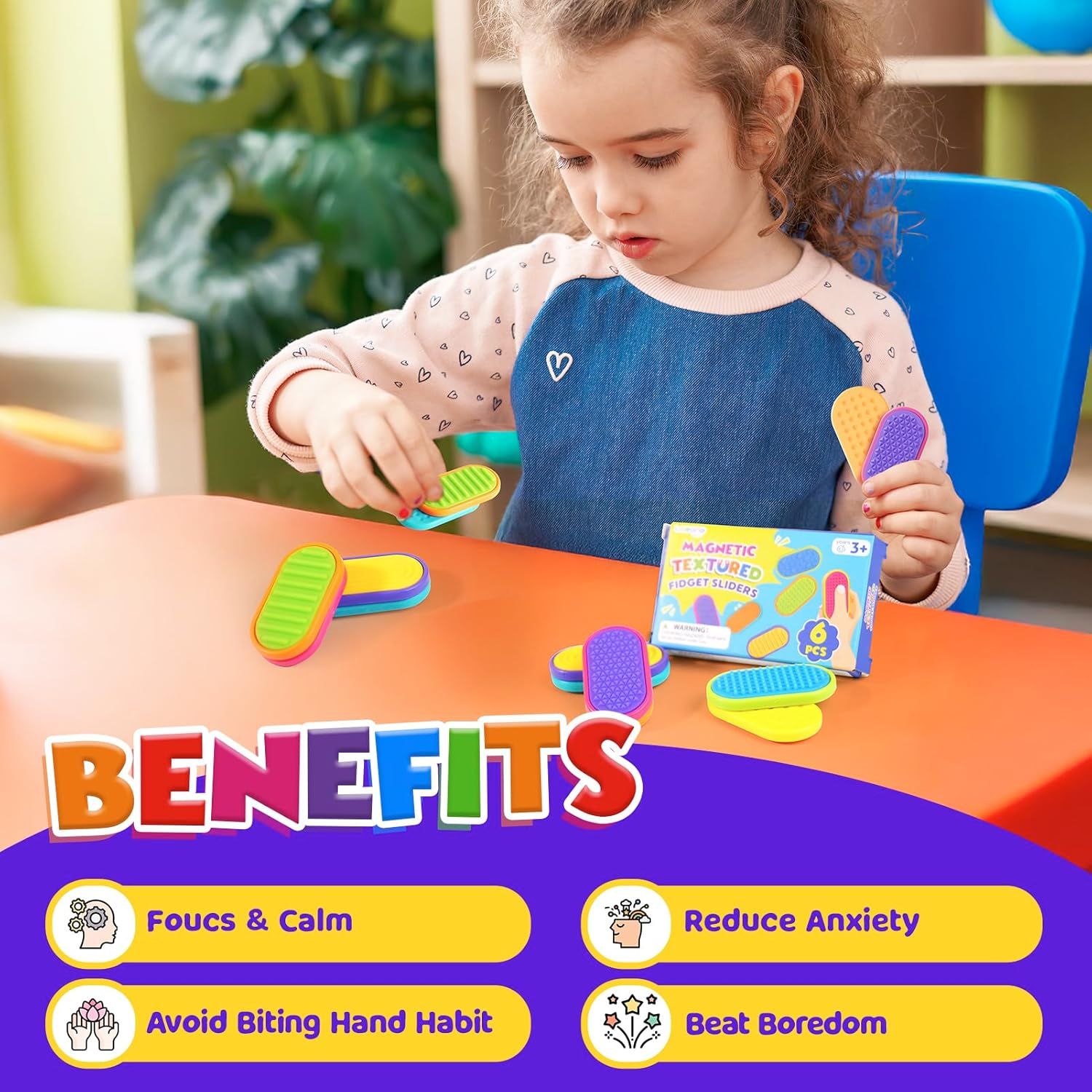
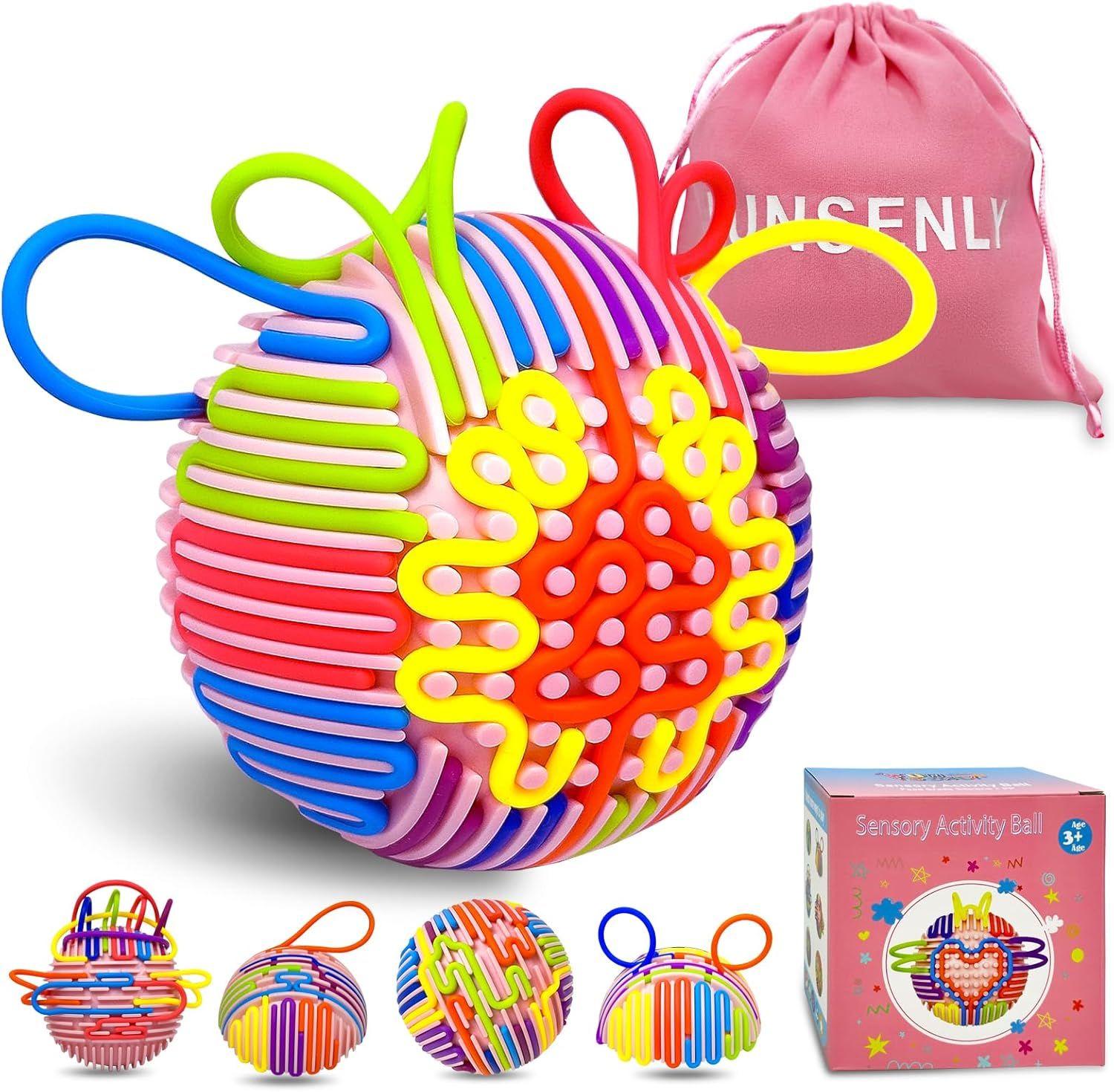
Sensory Fidget Toys
Based on the increasing search interest and the role of sensory fidget toys in stress relief and focus enhancement, these toys are highly recommended for targeting peak demand periods such as the holiday season and back-to-school times.