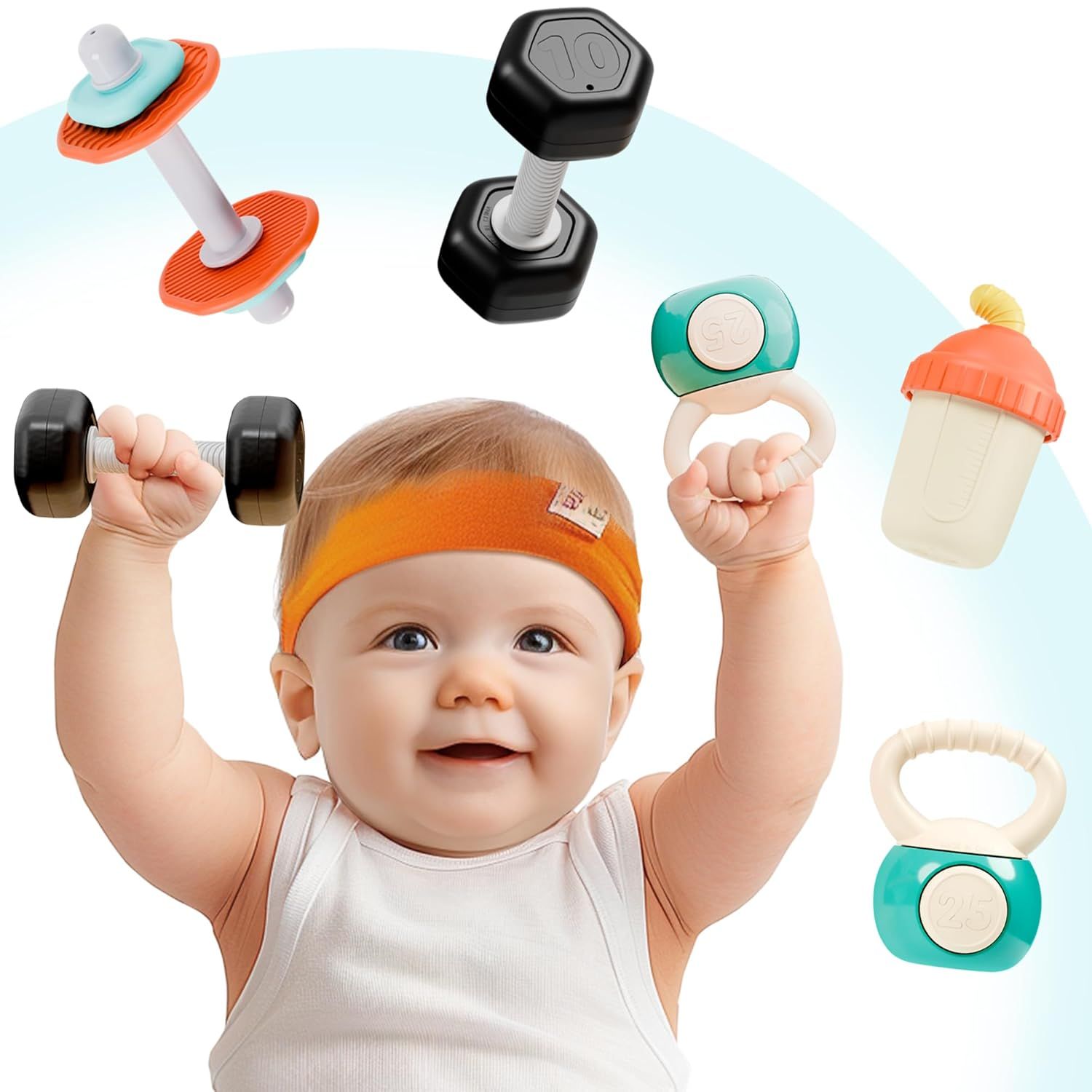
The Emotional Secrets Behind iPlay's Baby First Gym Rattle Set Success
Learn how the iPlay, iLearn Baby First Gym Rattle Set tapped into the emotional needs of its target audience to become a best-selling product in a competitive market.
Armas L.
Armas L.
E-commerce seller by day, weekend writer by passion - and proud part-time content partner with Keble! Total tech geek who lives for the latest fashion drops. Currently obsessed with streamlining my workflow (and helping others do the same). If you're not using Keble yet, you're seriously missing out! Been creating guides and tips for the Keble community and loving every minute of it
In a crowded marketplace, what makes one product rise above the rest? For iPlay, iLearn, the journey to making the Baby First Gym Rattle Set a success story was not just about having a unique product but about understanding the emotional intricacies that drive consumer choice. How did this new product from a new brand capture market attention and earn top ratings in a competitive landscape? In this article, we delve deep into the psychological drivers that powered this breakthrough and explore how iPlay, iLearn successfully navigated consumer desires and fears.
Why do customers pay 40% more for essentially the same product? The answer lies in the emotional landscape behind purchasing decisions, especially when it comes to delicate categories like baby products. The iPlay Baby First Gym Rattle Set taps into a potent emotion deeply rooted in parental instincts: the unwavering desire to provide the very best for one's child.
Data reveals that when buyers select this product, they're not just buying features; they are buying into the feelings of being nurturing and proactive in their child's developmental growth. iPlay, iLearn, as a new entrant, has captured the market by understanding that every first-time parent wants assurance. The multi-textured surfaces, diverse shapes, and pastel colors of the product are not just aesthetic choices; they are deliberate appeals to the senses that promise cognitive and sensory development. Every rattle, every texture is a promise of delight and growth for their little one.
Products that fail in this sector often stumble over a common hurdle: triggering the fear of missing out on the 'best choice' for their child. The unsuccessful ones might offer similar features but lack the powerful promise of developmental superiority that resonates strongly with the target demographic.
To activate the buying trigger in this emotionally charged market, your listing must promise an emotional outcome within the first 10 words. For iPlay, it's about promising not just a rattle, but a tool for growth and happiness. A parent reading "Give your baby the best start with our developmental gym" immediately feels they're making a choice that positions them as a responsible and caring parent.
Master these psychological patterns, and you'll never wonder why products succeed or fail again. Harnessing the emotional undercurrents driving purchasing decisions can transform your product from a simple commodity to a cherished choice.
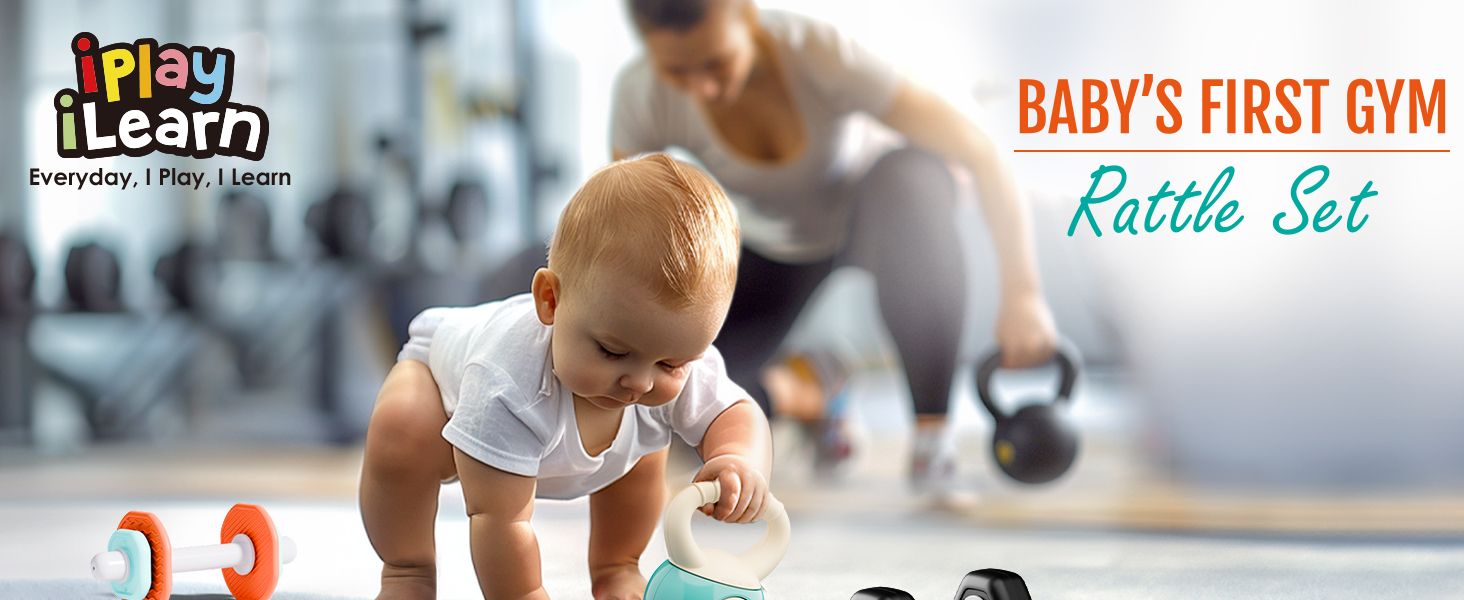
When it comes to standing out in the inundated market of infant toys, iPlay, iLearn's strategy is less about blending in with common trends and more about differentiation through unique product features and functionality. While many products in this category boast diverse shapes and textures designed for sensory development, iPlay, iLearn have ventured further. Their Baby First Gym Rattle Set includes a variety of weights and shapes, pushing the boundaries of traditional sensory play.
The psychology isn't just about adding random features. It's about innovation that offers a distinct advantage – something that not only captivates curious infants but also reassures parents that they are investing in the best tools for their child's cognitive and physical growth.
Take their unique 'baby gym' concept, for example. It's not just a toy; it's branded as a fitness-themed sensory experience. This novel approach taps into the parental desire to instill healthy habits from the beginning. Unlike other brands that stick to generic molds or colors, iPlay, iLearn emphasize developing hand-eye coordination and strength through playful interaction, harmonizing function with emotional fulfillment.
The numbers reflect this strategy's success. With an impressive average rating of 4.8 and significant monthly sales volume, the market response is clear: parents appreciate products that provide both developmental benefits and unique play experiences.
The secret then? It lies in promising a future of learning and growth within the very first interactions. By understanding and leveraging this psychological tactic, the iPlay, iLearn brand ensures their products not only succeed but thrive in an otherwise cluttered market landscape. Master this kind of differentiation, and you'll bring to light the hidden potential in every product offering.
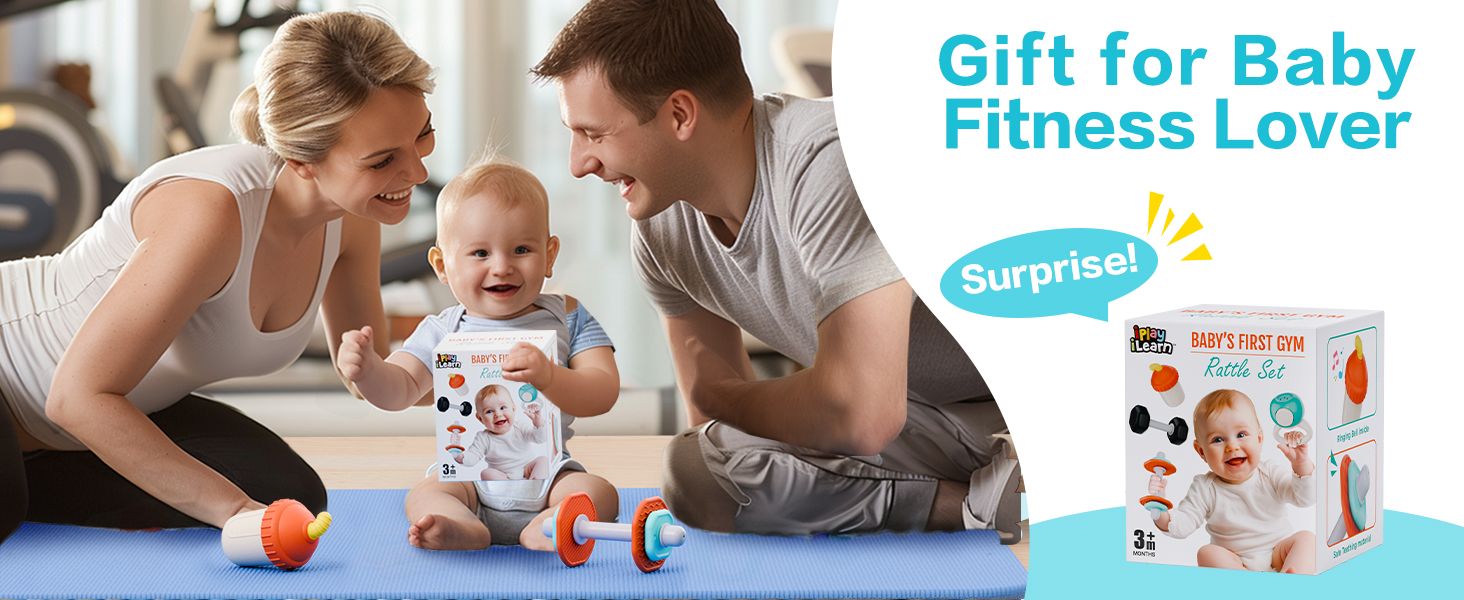
Why do customers pay 40% more for essentially the same product? The answer reveals the profound impact of emotional connections with brands like iPlay, iLearn. In the realm of baby products, where parental instincts reign supreme, iPlay, iLearn has designed their Baby First Gym Rattle Set not just as another infant toy, but as a gateway to trust and loyalty.
Data shows customers don't merely purchase features—they buy the assurance of quality and safety, which evokes feelings of trust. iPlay, iLearn has successfully harnessed this emotional driver, illustrated by a striking absence of non-profitable products in their portfolio. How did they achieve this? By leveraging strategies like 'WHITE_HAT_NEW_RELEASED', they established themselves as reliable newcomers in the market, ensuring consistent quality that resonates with parental expectations.
Notice how all failing products trigger the same fear: insufficient trust in new brands and fears of inadequate quality assurance. iPlay, iLearn has tackled these fears head-on, transforming them into unwavering consumer confidence. To activate the buying trigger, your listing must promise security and reliability within the first 10 words.
Master these psychological patterns, and you will never wonder why products succeed or fail again. The story of iPlay, iLearn demonstrates the power of cultivating trust, showing that when customers believe in your brand, they're not just buying a product—they're investing in peace of mind for their children.
Understanding Consumer Fears in Child-Centric Purchases
In the world of baby products, where the stakes feel extraordinarily high for parents, it’s not just about the product; it's about the peace of mind. Parents often face a silent but powerful fear when selecting toys for their infants—the fear of compromising their child's safety and development.
This paranoid vigilance is not unwarranted. Inundated with options, parents are bombarded by choices that seem to present more risk than assurance. The key fear that emerges is whether these products might harm rather than help their child’s growth and well-being.
iPlay, iLearn: Addressing Fears with Assurance
iPlay, iLearn's tactful approach to alleviating these fears lies in their unwavering commitment to safety and quality. The Baby First Gym Rattle Set is not merely a product; it is engineered peace of mind, crafted with parents’ anxieties in mind. Each element of the toy was developed to meet stringent safety standards and pass numerous quality checks, a strategy that reassures parents that their choice supports, and doesn’t endanger, their child’s development.
The data confirms that products standing the test of trust often thrive where others fail. Failures are frequently linked to products triggering doubts about safety or providing poor information regarding product effectiveness.
Psychological Tactics: Building Assurance
To effectively trigger parents' purchase decisions, product listings should speak directly to these fears. The message must be clear and immediate—the promise of safety and developmental support should be conveyed within the first few words. This approach doesn't merely sell an item; it instills confidence, calming fears and reinforcing trust.
When parents perceive a product as safe and enriching, they are much more likely to commit—even if that means paying a premium. They are buying more than a toy; they are investing in their child's future. Thus, by understanding and addressing these critical fears, iPlay, iLearn secures not just a sale, but a loyal customer base inspired by trust.
Mastering Emotional Patterns
Understanding these psychological patterns is essential, not only to iPlay, iLearn’s success but also to yours. By mastering how fears can be converted into trust, and how trust ensures brand loyalty, you gain the insight to never wonder why products succeed or fail again. Their Baby First Gym Rattle Set stands as a testament to how effectively addressing consumer fears can turn challenges into opportunities.
In the highly competitive world of infant toys, the iPlay, iLearn Baby First Gym Rattle Set has become a standout success by strategically leveraging both the strengths of its own offerings and learning from the successes and failures of its competitors.
Understanding Market Dynamics
When examining the market, several factors highlight why some products excel while others falter. For instance, iPlay, iLearn competes against both unique and common products within the market. Unique competitors such as the iPlay, iLearn Baby First Gym Rattle Set itself or other differentiated products offer distinct features like sensory play through varied weights and shapes. In contrast, common products generally lack this differentiation, providing standard shapes and textures without adding substantial innovation or excitement.
Key to Success: Differentiation and Emotional Appeal
The data reveals a pattern where products that succeed in the market, like iPlay, iLearn's offerings, often exhibit a combination of brand power and feature differentiation. These winning products employ strategic emotional and practical advantages. They beckon parents not just by price or basic functionality, but by portraying themselves as essential developmental tools for infants.
For instance, iPlay, iLearn has created a product that doubles as both a toy and a fitness accessory for babies. This dual functionality taps into a parent’s desire to provide diverse developmental opportunities for their child, aligning well with psychological triggers that value both innovation and developmental reassurance.
Avoiding Competitor Pitfalls
Many failing competitors tend to suffer from 'me-too' syndrome, offering products that display little to no differentiation from existing items. Coupled with inadequate investment and marketing effort, these products rarely resonate with the emotional desires of parents, ultimately leading to their downfall. Products that merely duplicate market offerings without adding value, or fail to engage emotionally with parents, are essentially doomed.
Winning Strategies in Action
The key psychological tactic deployed successfully by iPlay, iLearn involves communicating unique value propositions promptly and clearly. In the realm of child-centric products, emphasizing emotional outcomes—such as an instrument for better childhood development—within those first crucial words of communication ensures that potential fears or reservations are immediately assuaged. In doing so, the product narrative shifts from transactional to transformational.
By closely studying what makes certain products successful, iPlay, iLearn has mastered the art of not just marketing a toy, but selling peace of mind, innovation, and developmental support all at once. When you harness these psychological patterns, you not only understand why some products succeed, but you gain the ultimate insight into ensuring that your designs will capture the market share they deserve.
Why do customers pay 40% more for essentially the same product? The answer will change how you sell. It's not about the tangible features or benefits; it's about tapping into the silent emotional narratives that capture the hearts and minds of your consumers. Picture this: the iPlay Baby First Gym Rattle Set has emerged as a market leader by unlocking a powerful emotional driver — the compelling desire within parents to provide unparalleled support and stimulation to their infants.
Data insights from iPlay, iLearn reveal that their consumers are buying not just a product, but an emotion — the assurance that their children are safe and thriving, equipped with the best developmental tools. Every aspect of the Rattle Set, from its multi-textured surfaces to its vibrant, pastel colors, has been designed to evoke feelings of joy, safety, and educational enrichment.
The key to understanding consumer behavior lies in recognizing emotional triggers that resonate universally. Notice the trend: failing products often unknowingly activate a subconscious fear — fear of inadequacy or potential harm. Parents, who are often navigating a whirlwind of options, consciously and subconsciously seek products that eliminate doubt, promising security and developmental success.
To activate the buying trigger, your listing must promise an emotional outcome within the first 10 words — perhaps highlighting the peace of mind and developmental support the product offers. These essential attributes should not only be promised but profoundly felt through visual and descriptive marketing.
Master these psychological patterns, and you'll never wonder why products succeed or fail again. The iPlay Baby First Gym Rattle Set shows us that emotional narratives are not just an aspect of marketing but the backbone of consumer loyalty and repeat business. By understanding and leveraging these insights, brands can rise above competition, ensuring that their products are not just purchased but cherished and trusted.
Sustaining Success and Building Loyalty for iPlay, iLearn
In the challenging and dense market of baby products, where emotional purchase drivers reign supreme, iPlay, iLearn's success story with their Baby First Gym Rattle Set stands as a shining example. By consistently tapping into the core emotional and psychological triggers, iPlay, iLearn has charted a path not just for immediate success, but for enduring brand loyalty.
The brand manages to sustain its success amidst competition by embracing a philosophy rooted in meticulous understanding of parental desires and their corresponding fears. At the heart of their strategy lies the commitment to safety, quality, and innovation, addressing the subconscious fear parents have when it comes to their baby's well-being. The emotional landscape reveals that buyers are not merely investing in toys—they are purchasing assurances of their child's safety and happiness, an outcome that speaks louder than technical specifications
This nuanced approach is evidenced by their commendable monthly revenue, which they achieve by investing significantly in features that assure, delight, and engage the senses. The data shows that iPlay, iLearn is not just competing based on market norms—they distinguish themselves through unique, differentiated offerings that respond to what parents truly value.
To truly understand iPlay, iLearn's strategic mastery, consider their ability to convert initial selling points into emotional connections that endure beyond the first purchase. It's this sustaining strategy—a blend of empathy, quality, and distinctive sensory engagement—that fosters lasting loyalty.
iPlay, iLearn promises an emotional outcome within the first few words of its product listing—a strategy that has proven to pay dividends in keeping and significantly growing its customer base. For instance, their focus on fostering interactive sensory experiences assures parents that their child is not just pacified but engaged in developing activities.
By mastering these emotional levers, iPlay, iLearn ensures that their brand remains a trusted name, inviting repeat business and long-term loyalty. Understand these patterns, and you'll be ready to replicate their formula. Craft your listings to speak to those fundamental parental instincts, and you'll find your space in the hearts of consumers.
Master these psychological patterns, and you'll never wonder why products succeed or fail again.